For Olle
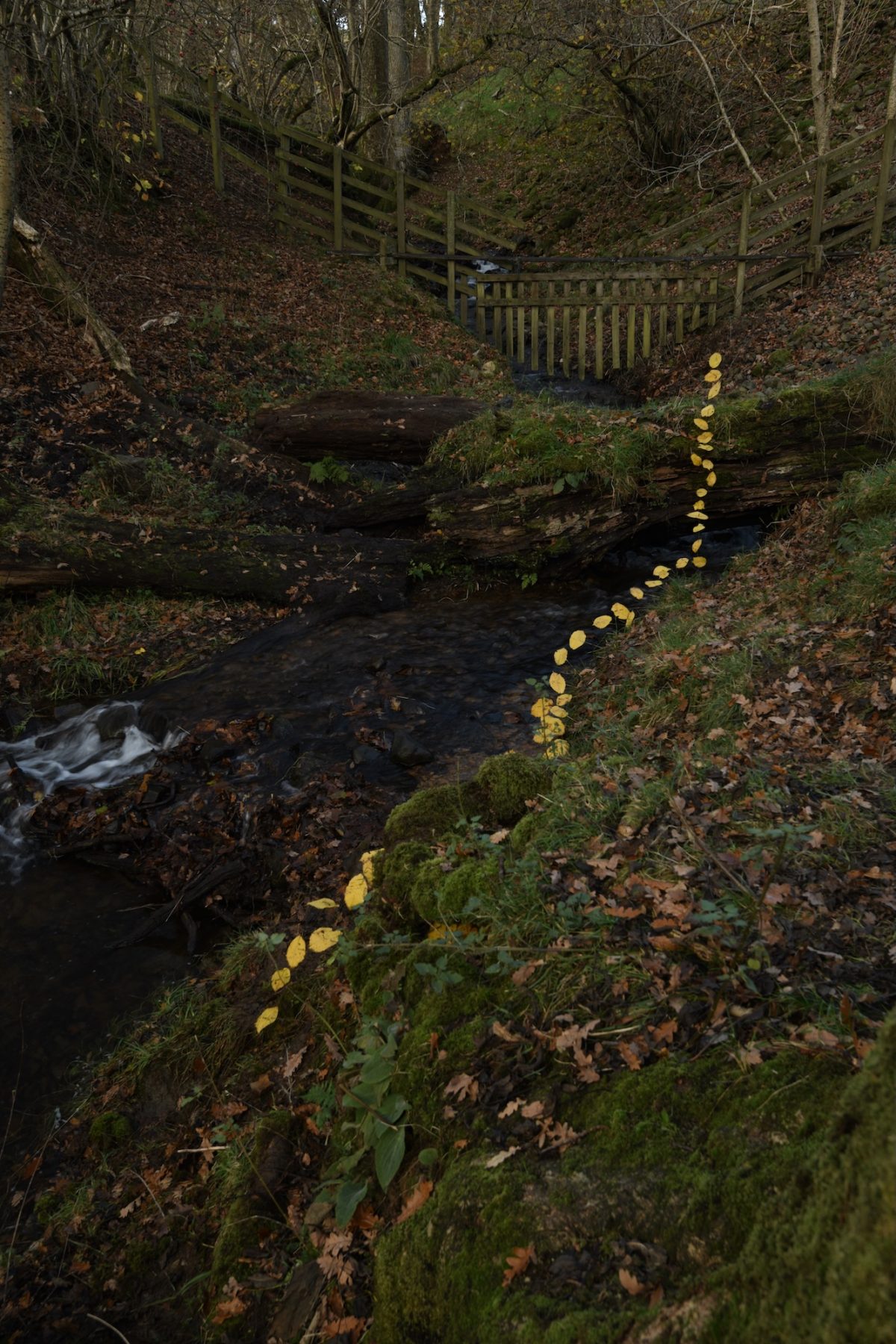
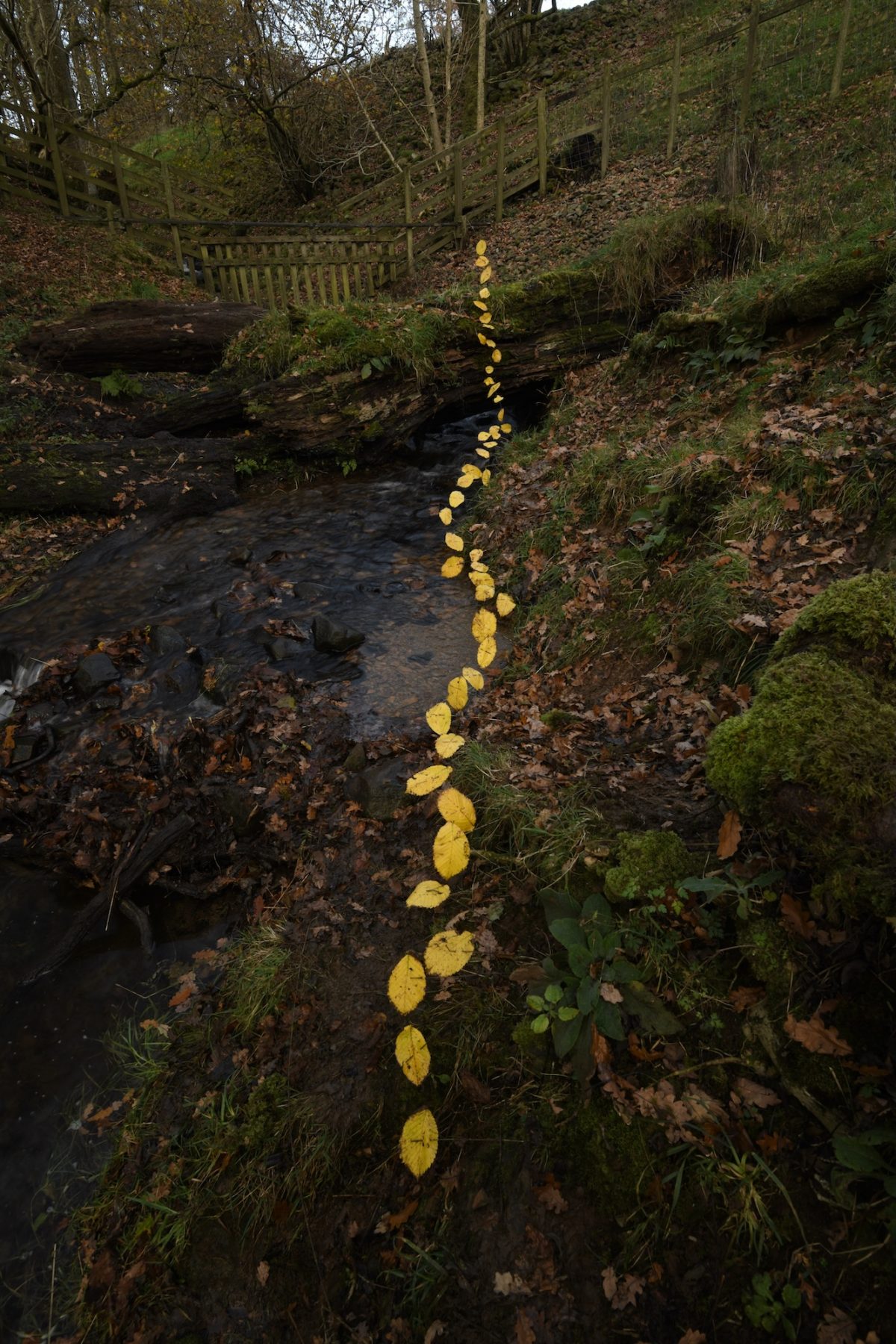
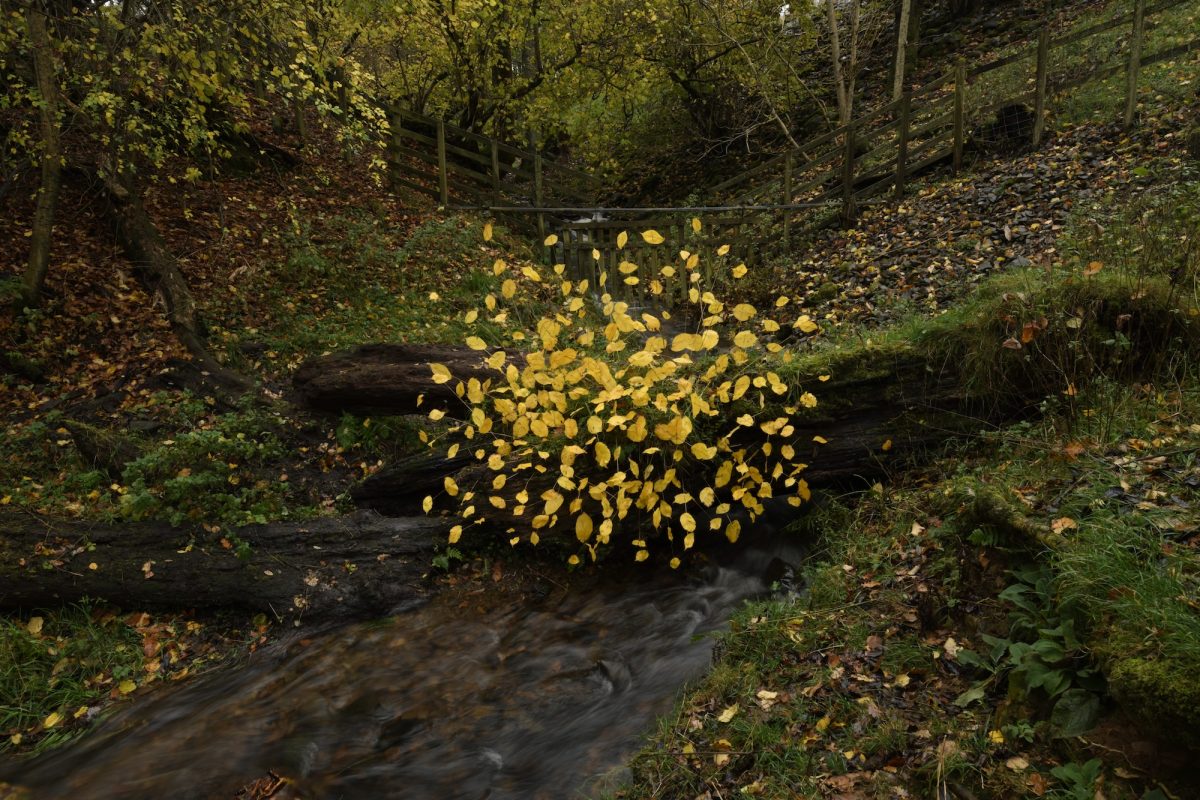
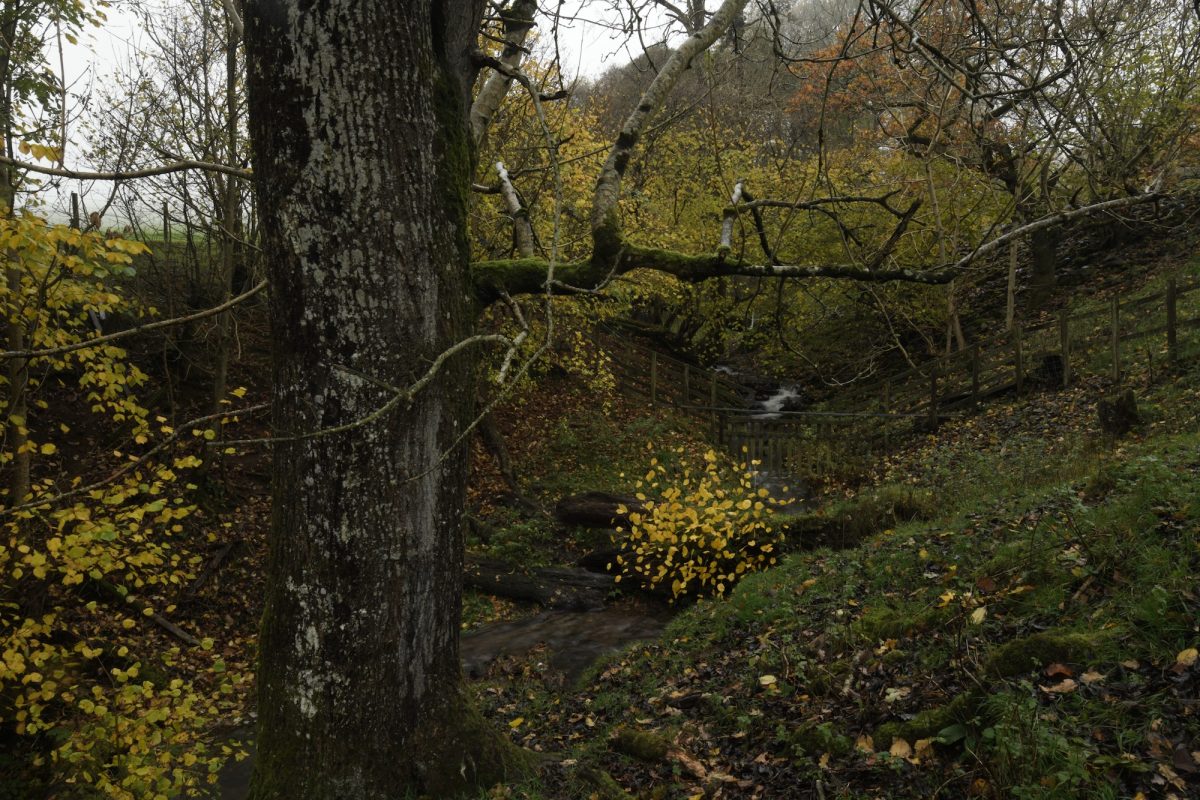
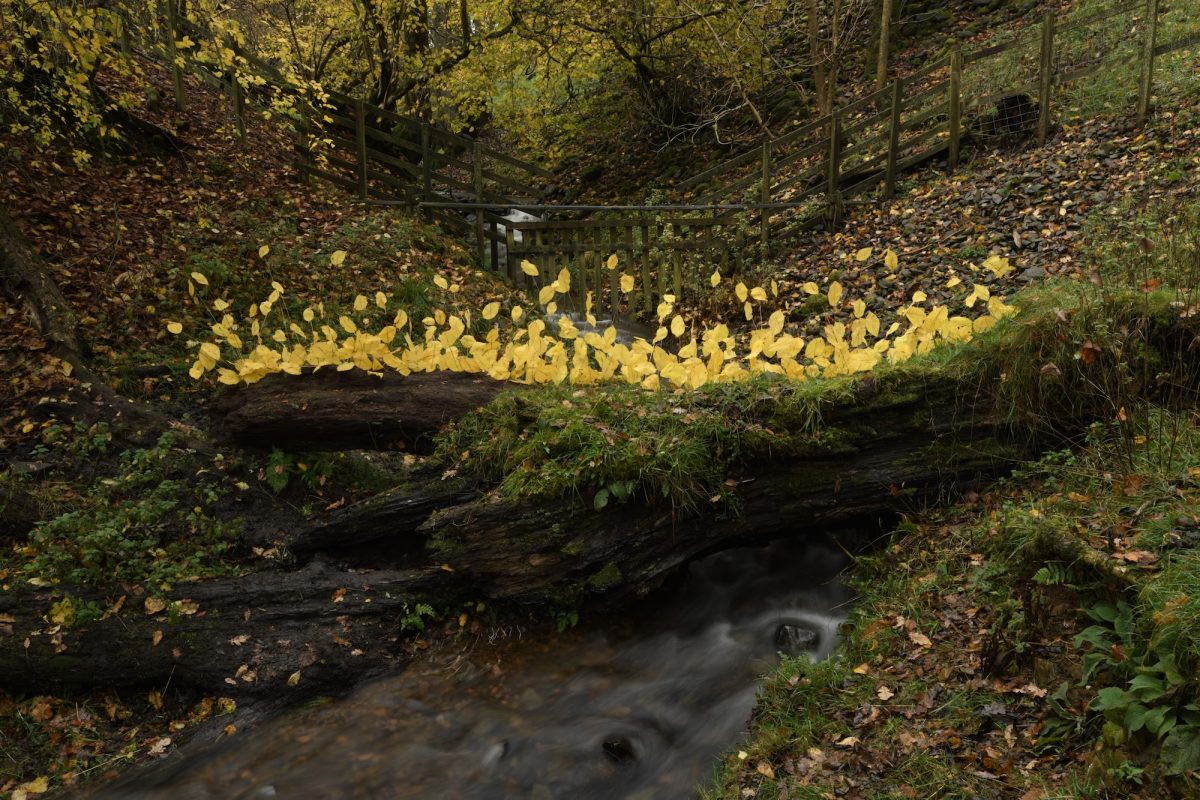

Grass stalks
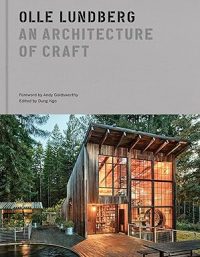
Foreword to Olle Lundberg: An Architecture of Craft published by Princeton Architectural Press and Chronicle Books, October 2025
The hand is the cutting edge of the mind. Jacob Bronowski
In 2004 I installed Scripps Cairn at The Scripps Research Institute, an institute for medical research in California. Prior to making the work I was given a tour of the facility. I visited one department dedicated to the making models of viruses. I asked why there was the need to make an actual model when modelling could be done on a computer. The reply was that holding a model in the hand gave a better understanding of the virus. I don’t know if this is still the case – I would like to think so.
At a time when technology can create staggering feats of ingenious (and at times vacuous) architecture, Olle talks about the importance of an architect to also ‘hold’ a building in their hands and mind – to know the place where it is to be made and to understand the materials that will be used its construction.
For me, physical engagement with the world is an essential part of how we learn. Touch is an integral part of creative process in which the hand feeds the mind. The feel, friction, resistance, shock and unpredictable nature of touch provokes ideas.
I make art directly with the land with my hands, but I also make large scale construction projects that require technology, tools, equipment, machinery, and the help of many people. Works made with leaves, snow, ice, rain, stone, clay, wood, light, dark, or occasionally my own body feed my large-scale projects in an exchange whereby one gives and the other takes – creating a dialogue – a flow of ideas.
Olle describes the concern of his university professors that his knowledge of materials and making might restrict his imagination and that ideas should be free from practical considerations. For myself, and I believe also for Olle, practical considerations can be a powerful source of solutions and ideas.
Lundberg Design is part architectural office and part workshop. The workshop is where the hand and the mind are put to work – the engine that drives the practice – a source of energy, a library of possibilities and a place that where I felt at home during my collaboration with Olle during the making of Rolling Wall.
Rolling Wall was an unprecedented and astonishing act of faith, openness, and generosity on the part of Olle. There are not many architects who would willingly give over such a significant part of a building to an artist (it was an even greater leap of faith for the clients).
The wall has its origin in the many works that I have made from compacted snow, sand, earth, ferns and branches. However, the increase in scale and greater context took the making of this particular work out of my hands and passed on to the hands of others.
Not once was it suggested that we build a fake wall (one that would be hollow inside and made to look as if it were earth from the outside). In the past, I have had ideas remain unrealised because an engineer wanted me to use ‘lick and stick’ (adhered concrete masonry veneer) instead of stone.
What lies beneath is important. Olle ensured the integrity of Rolling Wall by assembling a team of highly skilled, motivated, imaginative, talented people. I owe a great debt of gratitude to Olle, David Warner and David Easton who together and their respective crews figured out how the wall could be made and then carried out its construction.
The result is a mass of compacted earth and human energy which continues to reverberate from the pounding of earth – the building’s heartbeat.
The wall was built ahead of the main building and, as Olle recounts, initially it stood by itself – a monolith that needed the building to bring it to life and transform it from something to be looked at to something to be lived with. For me, the conversation between building and wall, artist, and architect, was inspirational. The building completes the work.
This book is about the conversations Olle has with his buildings, the place where they are built and the people who occupy them. It has been a privilege to be part of that conversation as well as one of Olle’s buildings.
Andy Goldsworthy